Scuba diver swimming underwater above a coral reef surrounded by schools of fish in clear blue water.

3 WAYS TO IMPROVE YOUR BUOYANCY UNDERWATER

BUOYANCY IS ONE OF THOSE SKILLS THAT CAN COMPLETELY CHANGE THE WAY YOU EXPERIENCE A DIVE.


When your buoyancy is good, you use less energy, consume less air, move more comfortably through the water, and spend less time worrying about staying at the right depth. You can simply relax and enjoy the reef. But here's the thing: good buoyancy doesn't usually happen overnight.

A note for beginners: Buoyancy takes practice, so don't try to master it by pushing beyond your training or comfort level. Practise in a controlled environment, follow your instructor's guidance, and always prioritise safe depth, controlled ascents and gas management. If you're newly certified or haven't dived in a while, consider a refresher or guided dive before heading out on your own. A lot of divers get certified, celebrate their Open Water certification, and then don't dive again for months sometimes even a year. When their next dive finally comes around, it's often a holiday, and they sign up for a couple of fun dives expecting everything to come back naturally. Unfortunately, scuba skills are like most skills: the more you practise, the better you get. If you're struggling with buoyancy, here are three things that can make a real difference.

1. DIVE MORE


This might sound obvious, but the best way to improve your buoyancy is to spend more time in the water. After certification, it's common for divers to take a long break. They may dive once during a holiday and then not get back into the water until the following year. The problem is that buoyancy isn't just about knowing how to inflate or deflate your BCD. It's about developing an underwater feel. The more you dive, the more you start to understand your own body and how it behaves underwater.
You'll gradually learn:
 
• How your breathing affects your depth
• How much air you actually need in your BCD
• How your equipment affects your trim
• How your body position changes your movement through the water
• How to make small buoyancy adjustments instead of big corrections

One of the biggest things you'll notice with more experience is your breathing. Your lungs are essentially a natural buoyancy control system. Take a slow, controlled breath, and you become slightly more buoyant. Exhale and you become slightly less buoyant. With practice, you start to recognise these small changes rather than reacting to them by constantly adding or dumping air from your BCD.
 

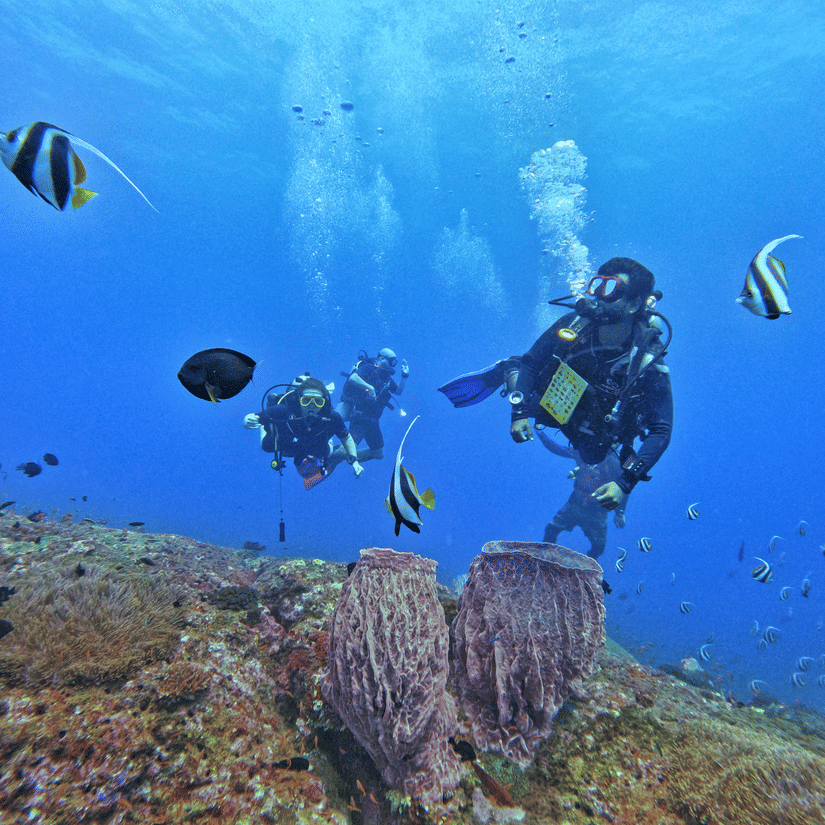
Scuba divers exploring a vibrant coral reef underwater, surrounded by tropical fish and clear blue ocean water.

Safety reminder: Never hold your breath to control your buoyancy. Breathe normally and continuously throughout the dive. And that's why doing more dives after your certification matters. Don't wait until your next annual beach holiday to get back underwater. If you have the opportunity, dive regularly and give yourself time to build that muscle memory.

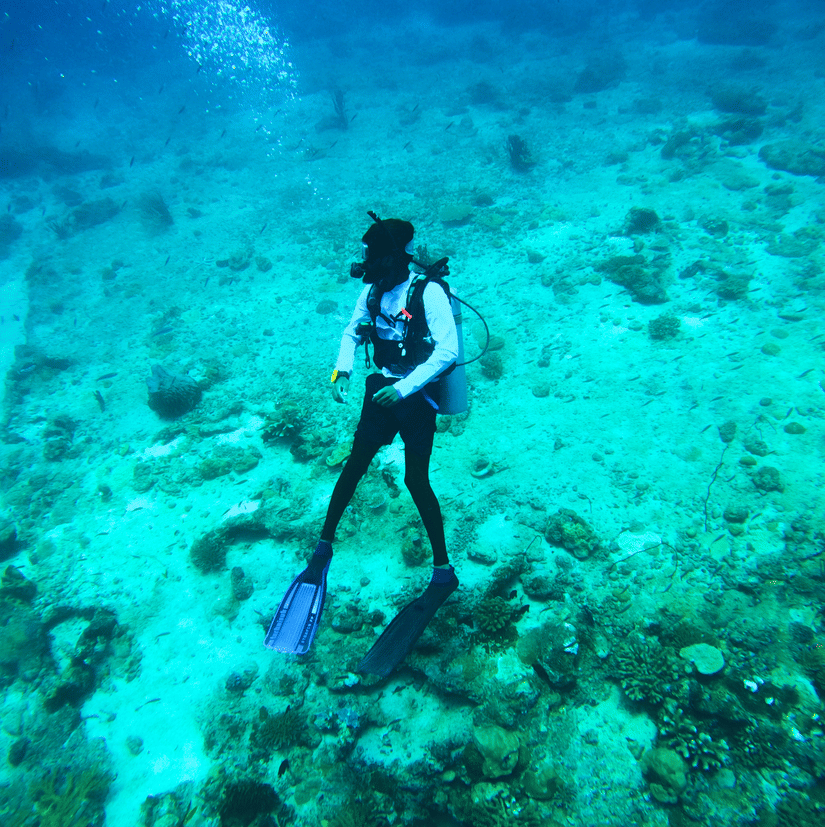
Scuba diver swimming above a coral reef underwater, wearing full diving equipment and fins, with bubbles rising through clear blue water.

2. GET YOUR WEIGHTING RIGHT


One of the most common buoyancy problems is simply carrying too much weight. It can feel reassuring to have a little extra weight. After all, if you can get down easily, you must be doing something right… right? Not necessarily.

Too much weight means you need to put more air into your BCD to compensate. This can make your buoyancy harder to manage and can contribute to poor trim. You may find yourself constantly adding and removing air, kicking harder to stay in position, and using more energy than necessary. Instead, aim to use the minimum amount of weight needed to descend comfortably, with appropriate consideration for your cylinder and exposure protection. Your equipment configuration matters too. A different wetsuit, cylinder, or BCD can change how much weight you need.
 

Safety reminder: If you're unsure about your weighting, don't guess. Ask your instructor or dive professional to help you perform a proper weight check in a controlled situation. Proper weighting can make a huge difference to how your entire dive feels. When your weighting is right, you don't have to fight the water to stay down. You're closer to neutral buoyancy, and small changes in your breathing can help you make small depth adjustments. More weight doesn't mean better buoyancy. The right weight does.

3. STOP KICKING & FIX YOUR BODY POSITION

 
Here’s a simple test:

How often are you kicking your fins just to stop yourself from floating up or sinking? If the answer is “all the time,” your body position and buoyancy may need some attention. Good buoyancy isn’t about constantly finning to maintain your depth. Your goal should be to get stable, relaxed, and horizontal in the water. A good horizontal position helps you move more efficiently and reduces the temptation to use your fins to correct every small change in depth.

Instead of constantly kicking:
 
• Relax.
• Keep breathing normally.
• Get horizontal.
• Make small adjustments with your breathing and BCD.

And remember that small movements are enough. You don’t need to make a huge BCD adjustment every time you move a few centimetres. You don’t need to kick harder because you feel yourself rising slightly. Give your adjustments time to take effect.
 

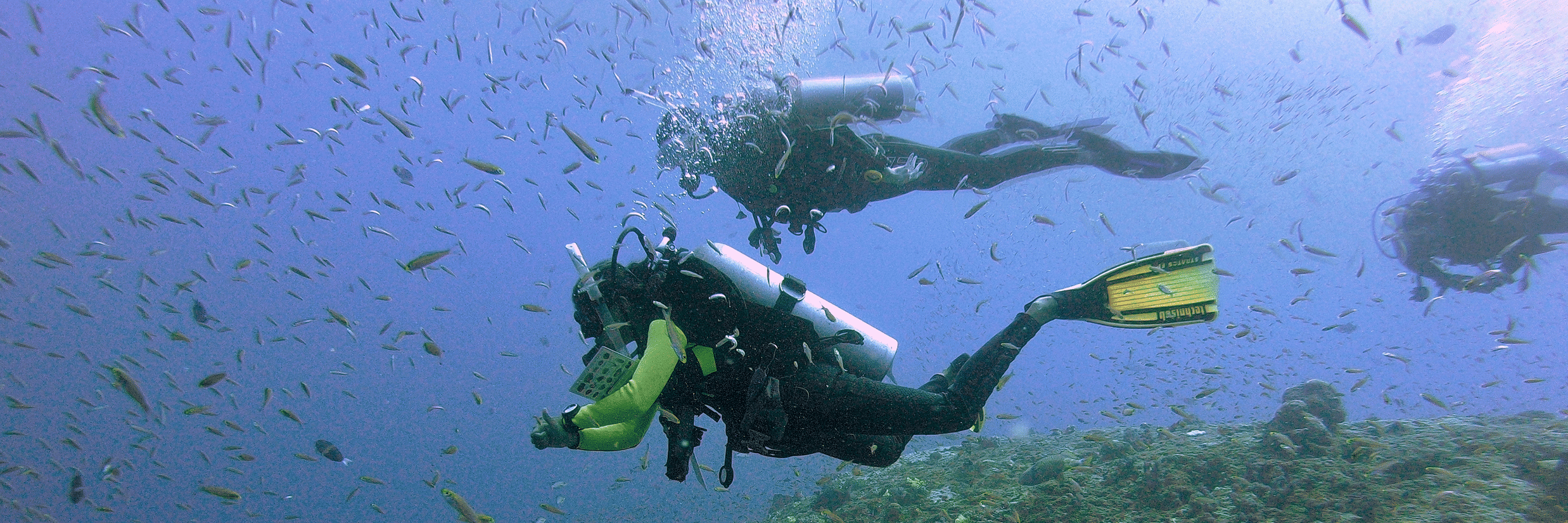
Scuba diver swimming through a vibrant underwater coral reef, surrounded by colourful marine life and rock formations in clear blue water.

Safety reminder: Don’t let practising buoyancy distract you from your depth, air supply, buddy or surroundings. Your buoyancy practice should make you a more aware diver, not a less aware one. The more comfortable you become underwater, the less you’ll feel the need to constantly correct yourself.

BUOYANCY GETS BETTER WITH PRACTICE


Great buoyancy isn’t about being a “natural” diver. It’s a skill. And like any skill, it gets better with practice. Dive more. Get your weighting right. Stop kicking and work on your body position. The goal isn’t to spend your entire dive thinking about buoyancy. The goal is to practise enough that eventually, good buoyancy becomes something you do without thinking about it. And when that happens, diving starts to feel very different. You’re not fighting the water anymore. You’re just floating through it.

Continue your Booking