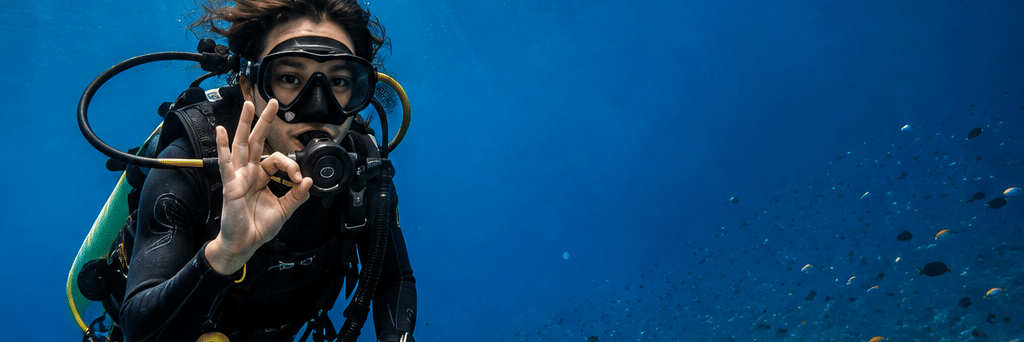
A scuba diver swimming underwater above a coral reef in clear blue ocean water.

HOW TO CHOOSE THE RIGHT DIVE CENTER FOR SCUBA CERTIFICATION: 9 THINGS NOBODY TELLS YOU

PLANNING TO GET SCUBA CERTIFIED? HERE'S WHAT TO LOOK FOR BEFORE CHOOSING A DIVE CENTER—ESPECIALLY IF YOU'RE CONSIDERING SCUBA CERTIFICATION IN THE ANDAMAN ISLANDS.


So, you've decided to learn scuba diving.

You've probably started searching for PADI Open Water courses, comparing prices, checking Instagram pages, reading reviews and looking at photos of people underwater.

And then comes the difficult part:

How do you actually choose the right dive center?

Most beginners compare the obvious things—price, number of dives, location and certification agency. These are important, but they don't tell you everything.

When you're learning to breathe underwater, manage scuba equipment and respond calmly in an unfamiliar environment, the quality of your training matters far more than simply getting a certification card. If you're planning to get your scuba diving certification in the Andaman Islands, here are nine things we recommend considering before you book.

1. THE INSTRUCTOR MATTERS MORE THAN THE LOGO

Your certification agency sets the training standards.

But your instructor is the person who actually teaches you to dive.

A good instructor should be able to explain skills clearly, demonstrate them patiently and recognise when a student needs additional help.

Before booking your PADI Open Water Diver course, ask:

• Who will be teaching me?
• How experienced is the instructor?
• How do you work with nervous beginners?
• What happens if I struggle with a skill?
• Will I have opportunities to ask questions?

Your first scuba course isn't just about learning theory and completing skills. You're learning how to become comfortable and responsible underwater.

The right instructor can make a huge difference to that experience.

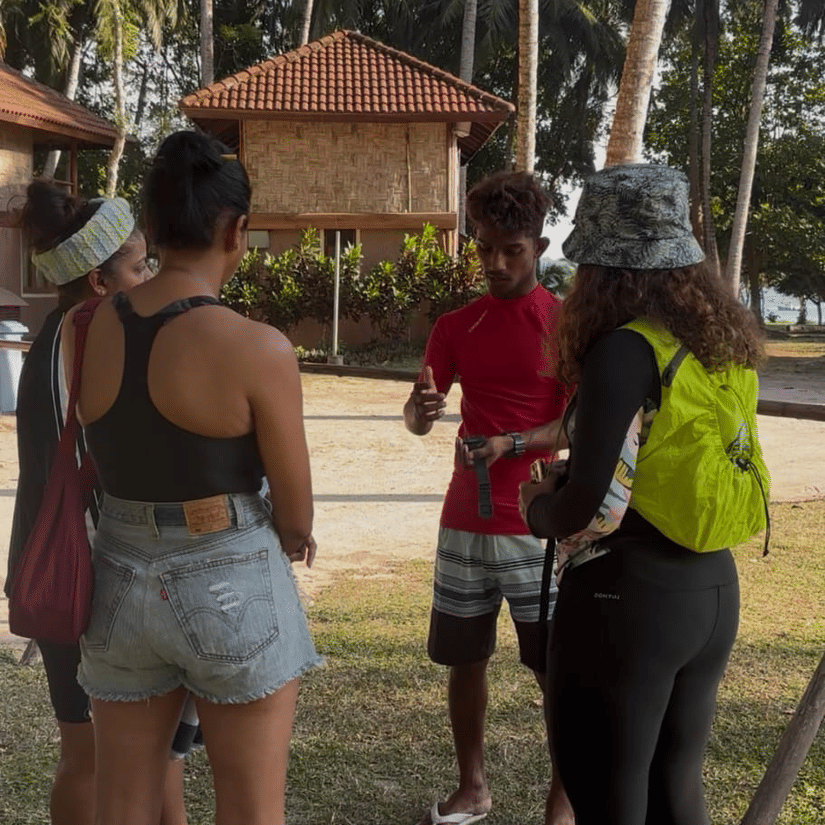
Divers and visitors walking along a tropical path near the coast with scuba gear.
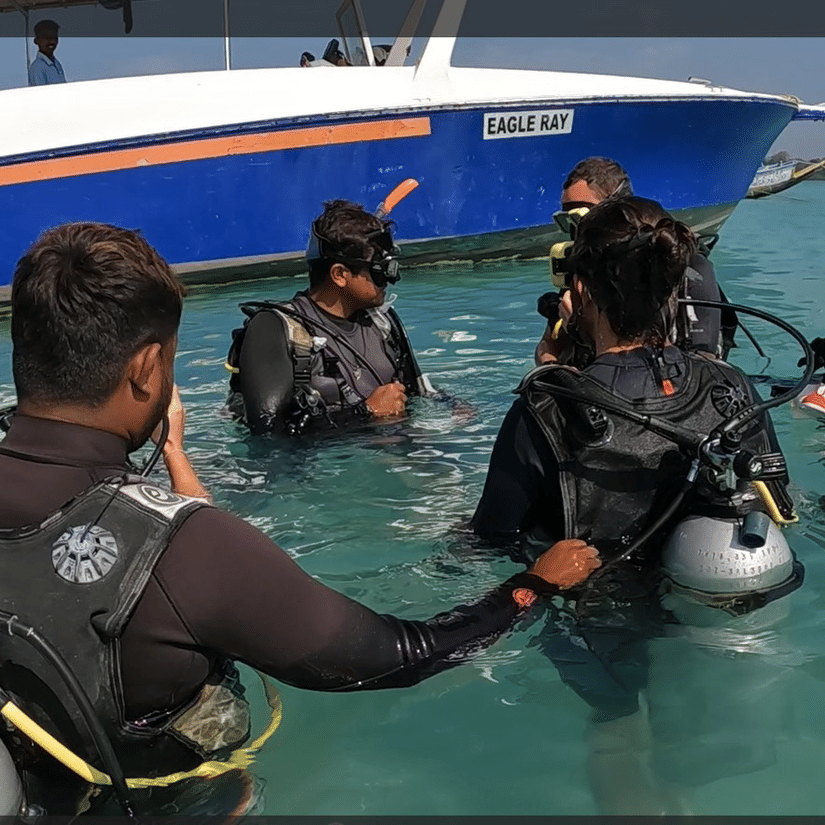
A group of scuba divers in the water receiving instructions and preparing for a dive.

2. ASK ABOUT THE INSTRUCTOR-TO-STUDENT RATIO


"Small groups" sounds great.

But what does small actually mean?

Don’t be afraid to ask a dive centre for its actual instructor-to-student ratio.

The number of students an instructor is responsible for can affect how much individual attention each person receives—particularly when you’re learning skills for the first time.

Imagine you’re struggling with mask clearing or buoyancy while several other students are waiting for their turn.

You don’t want to feel like you’re holding the group back.

A good learning environment should allow instructors to focus on individual students when they need help.

So when comparing scuba certification courses in Andaman, don’t compare prices alone.

Compare the training experience.

3. CERTIFICATION DOESN’T AUTOMATICALLY MEAN YOU’RE A CONFIDENT DIVER

This is something many new divers discover only after completing their course.

Finishing your certification and feeling confident underwater aren’t necessarily the same thing.

You can complete your required training and receive your certification card while still feeling nervous about:

• Buoyancy
• Breathing underwater
• Clearing your mask
• Regulator recovery
• Descending
• Equalising
• Underwater communication
• Managing your equipment

And that’s okay.

Everyone learns differently.

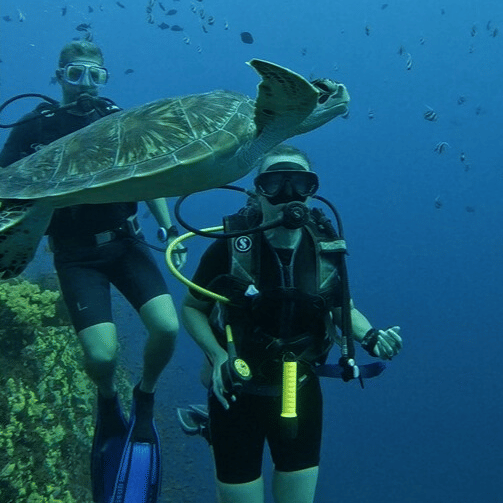
A scuba diver swimming underwater beside a large fish, with another diver visible in the background and coral-covered rocks below.

The right dive centre should give you enough time to understand why you’re doing a skill, practise it properly and become comfortable performing it.

Your goal shouldn’t simply be:

"I got my certification."

It should be:

"I understand what I’m doing, and I feel comfortable doing it underwater."

Two scuba divers swimming above a coral reef in clear blue underwater surroundings.

4. ASK WHAT HAPPENS WHEN YOU STRUGGLE


Here’s a question most beginners don’t think to ask before booking:

"What happens if I can’t do one of the skills?"

What if you can’t clear your mask? What if you become uncomfortable underwater?

What if you don’t understand something the first time?

What if you need another attempt?

A good dive centre should have a plan for providing additional practice, explanation and support when a student needs it.

Scuba diving isn’t a race.

Needing more time doesn’t mean you’re a bad diver. It means you’re learning.

A responsible instructor would much rather have a student who genuinely understands and feels comfortable with a skill than someone who simply completes it because the schedule says it’s time to move on.

5. DON’T CHOOSE A COURSE BASED ONLY ON THE NUMBER OF DIVES

You’ll often see scuba courses described by numbers:

"4 dives + certification."

It sounds straightforward.

But here’s the better question:

What actually happens during those dives?

Ask:

How much time will I actually spend underwater?

Actual underwater experience is important when you’re learning to become comfortable with breathing, buoyancy and communication.

How are the skills taught?

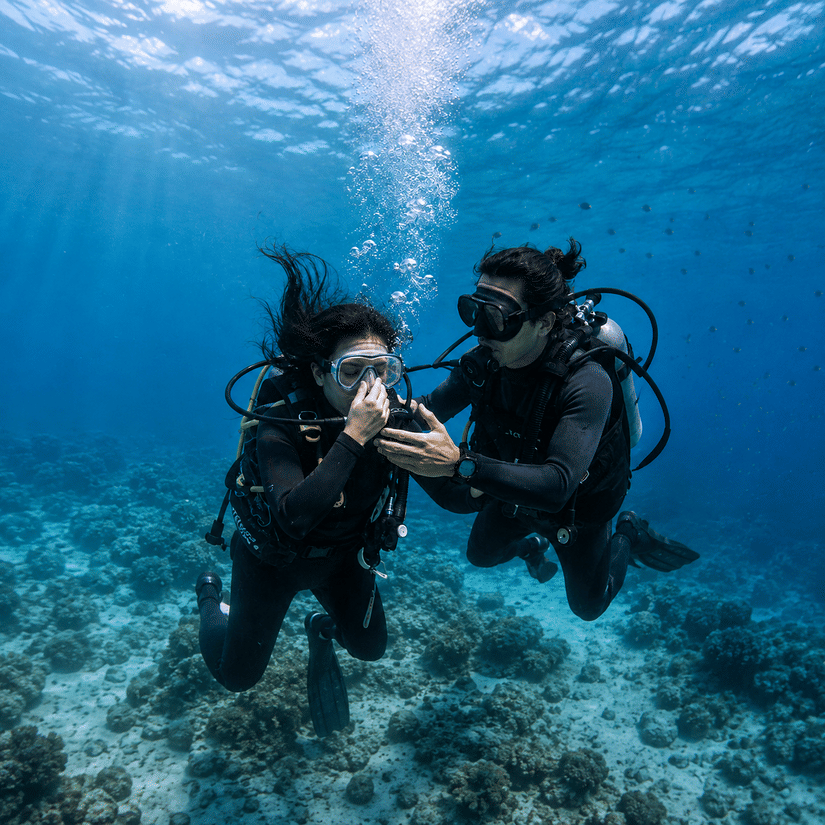
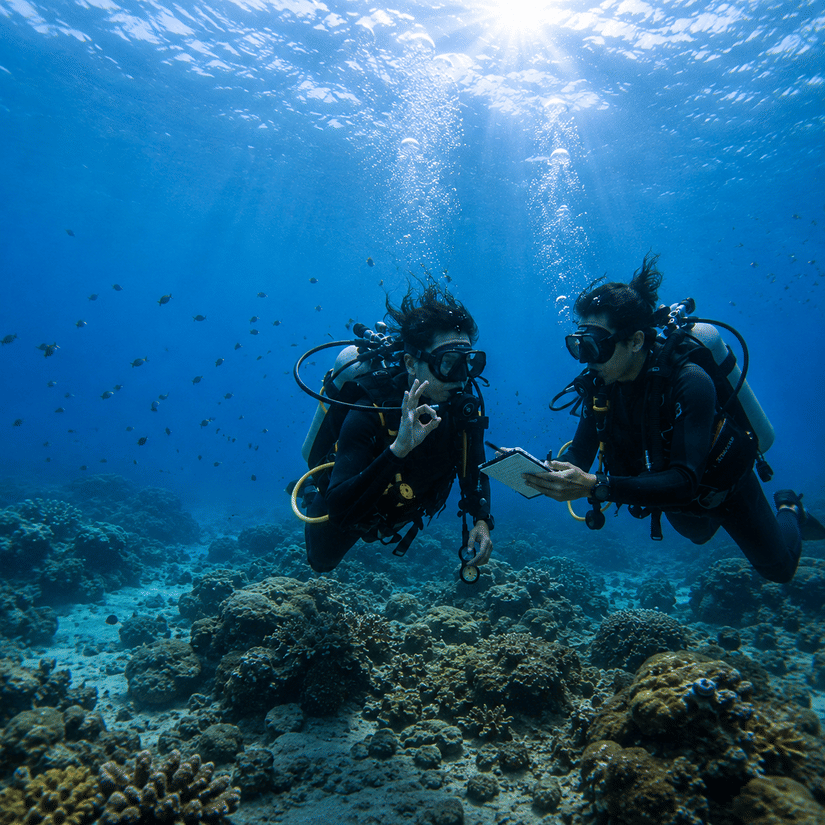
Two scuba divers exploring a coral reef underwater in clear blue Andaman waters.

Are skills properly explained and demonstrated before you perform them?

How much theory is covered?

Understanding the reason behind a skill is just as important as knowing how to perform it.

How much individual attention do I receive?

Two courses can have the same number of dives but provide very different learning experiences.

When comparing a PADI Open Water course in Havelock, look beyond the number of dives.

Look at the quality of the training.

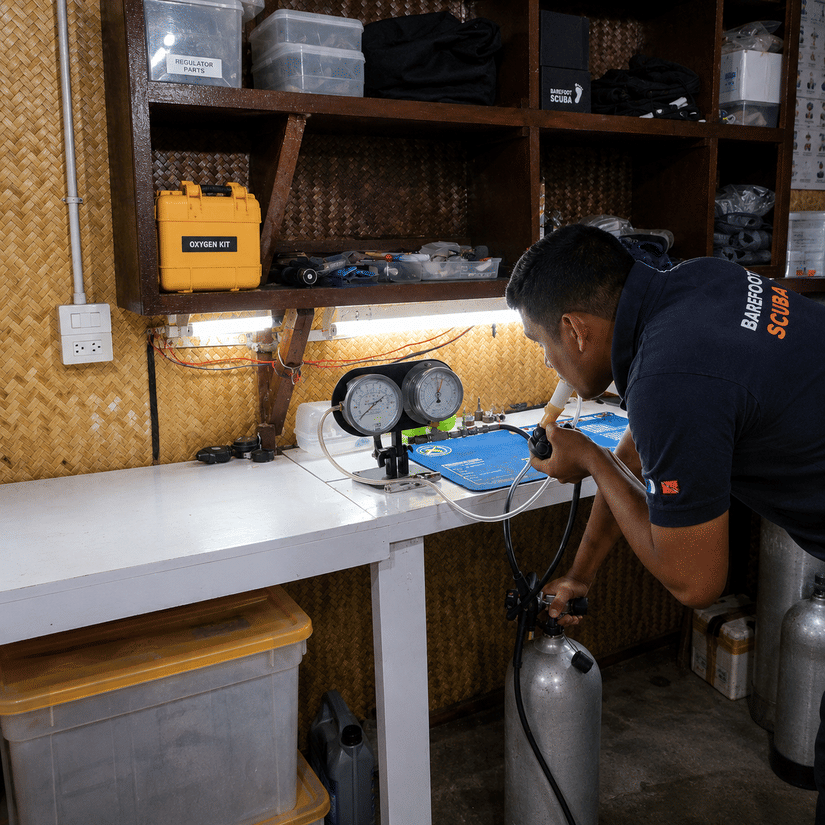
A dive professional checking and servicing scuba diving equipment at a workshop.

6. EQUIPMENT CONDITION MATTERS. A LOT.


As a beginner, you may not know whether a regulator has been properly serviced or whether a BCD is in good condition.

That’s exactly why you should ask.

Your scuba equipment is your life-support system underwater, so equipment maintenance should be taken seriously.

Ask the dive centre about:

• Regulators
• BCD
• Exposure suits
• Scuba tanks
• Safety equipment

You don’t necessarily need the newest equipment.

You need equipment that is well-maintained, properly serviced and appropriate for the diving conditions.

If you’re travelling to the Andaman Islands specifically for your scuba certification, don’t hesitate to ask about equipment maintenance.

A professional dive operation should be comfortable answering those questions.

7. ASK ABOUT SAFETY—BEFORE YOU BOOK


This may be the most important question of all:

"What happens if something goes wrong?"

Before booking your scuba certification, ask about the dive centre’s safety procedures.

For example:

• What emergency procedures are in place?
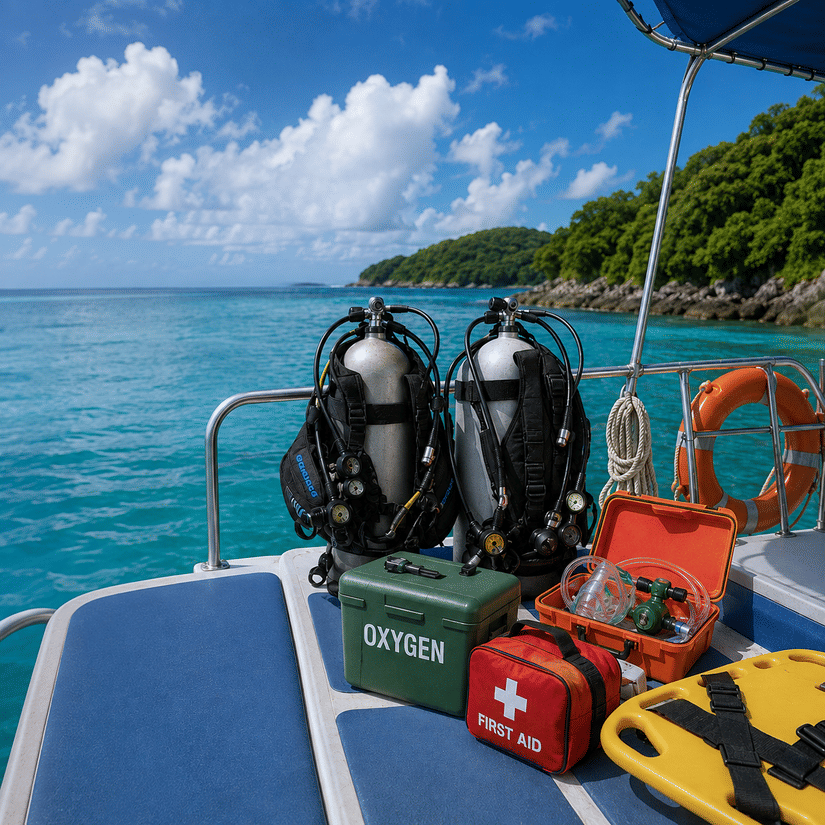
• Is first-aid equipment available?
• Is emergency oxygen available?
• What safety equipment is carried on the boat?
• What happens if sea conditions change?
• What happens if a dive needs to be cancelled?

You don’t need to be an experienced diver to ask these questions.

In fact, you should ask them precisely because you’re a beginner.

If a dive centre cannot confidently explain its safety procedures, that’s something worth considering before you book.

Scuba diving equipment, including tanks and gear, secured on a boat ready for a dive.
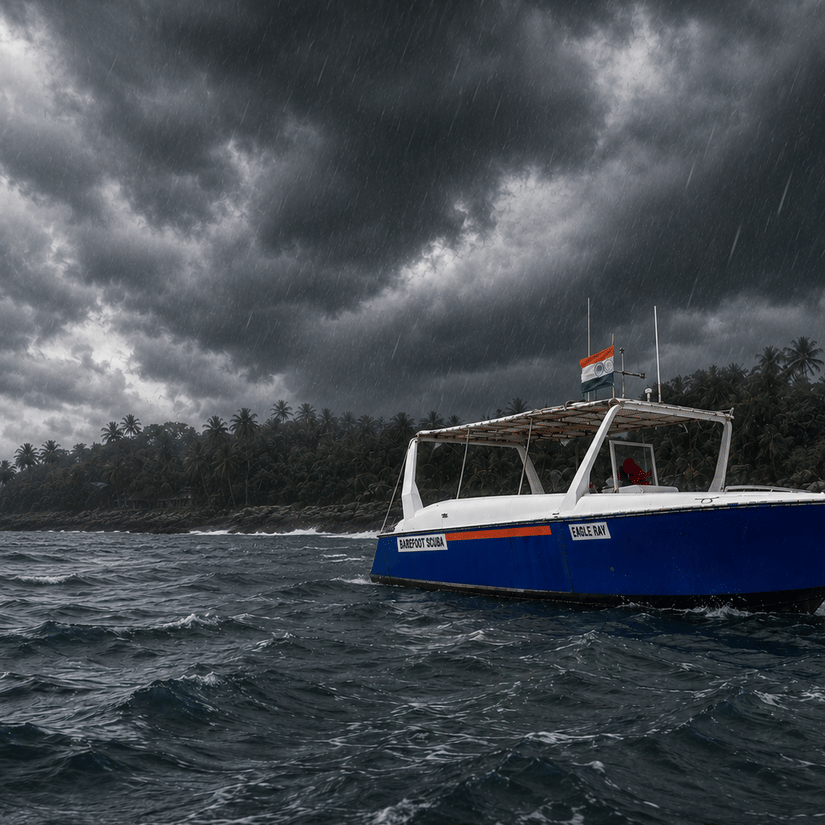
A blue dive boat navigating rough seas under dark, cloudy skies.

8. WEATHER CAN CHANGE YOUR ENTIRE COURSE


If you’re planning to go scuba diving in the Andaman Islands, remember one thing:

The ocean doesn’t care about your itinerary.

You may have taken leave from work. You may have booked your flights months in advance.

You may have planned your Instagram content around a particular dive site.

But if the sea conditions aren’t suitable, safety comes first.

Weather, wind, waves, currents and visibility can affect diving conditions.

A responsible dive centre may need to:

• Change the dive site
• Postpone a dive
• Reschedule a session
• Modify the day’s plan
• Cancel diving when conditions aren’t suitable

Yes, it can be disappointing.

But that’s exactly what you want from a responsible dive operator.

The ocean decides when it’s safe to dive—not your Instagram itinerary.

This is also why we recommend leaving some flexibility in your Andaman travel plans if scuba diving is one of the main reasons you’re visiting.

9. ASK BETTER QUESTIONS BEFORE YOU BOOK

So, instead of asking only:

"How much is the scuba course?"

Ask:

• Who will teach me?
• What is the instructor-to-student ratio?
• How do you handle nervous beginners?
• What safety systems are in place?
• What happens if weather affects my course?
• What happens if I need more practice?

The answers to these questions can tell you much more about a dive centre than a promotional price can.

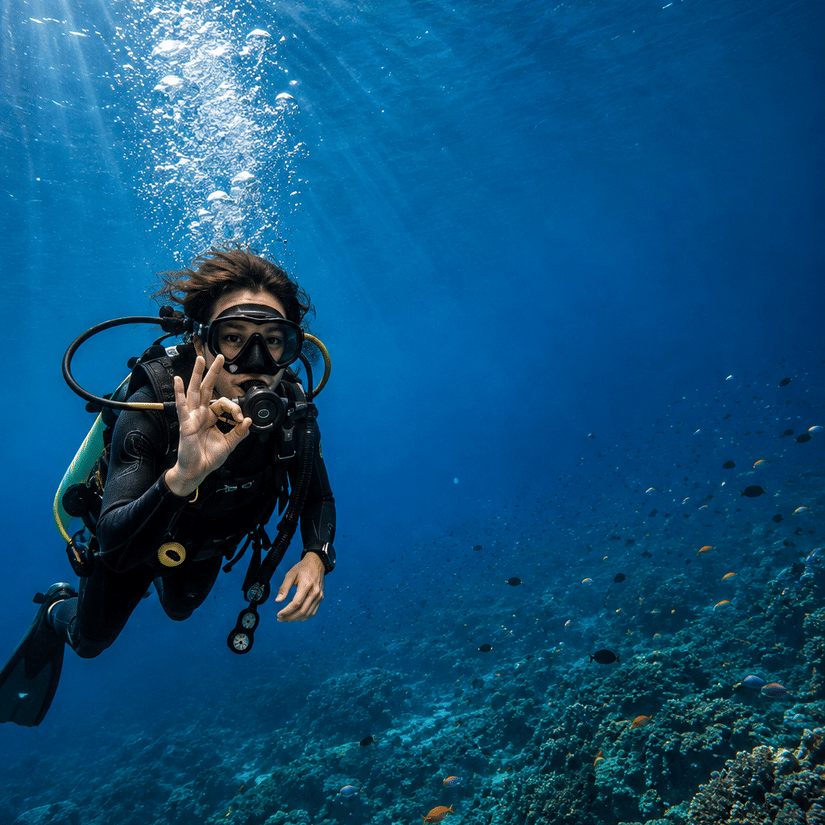
A scuba diver swimming underwater above a coral reef in clear blue ocean water.

SO, WHAT SHOULD YOU ACTUALLY LOOK FOR IN A DIVE CENTRE?


The best dive centre for you isn’t necessarily the one offering the cheapest certification.

And it isn’t necessarily the one with the most followers on Instagram.

Look for a dive centre that prioritises:

• Experienced instructors
• Manageable training groups
• Quality instruction
• Well-maintained equipment
• Strong safety practices
• Patience with beginners
• Time for learning and practice
• Responsible decisions around weather and sea conditions

Because your Open Water certification shouldn’t be the finish line.

It should be the beginning of your diving journey.

WHY CHOOSE BAREFOOT SCUBA FOR YOUR SCUBA CERTIFICATION IN THE ANDAMANS?


At Barefoot Scuba, we believe learning to dive is about much more than completing a checklist and receiving a certification card.

It’s about developing the knowledge, skills and confidence to become a responsible diver.

Based in Havelock Island (Swaraj Dweep), Andaman Islands, Barefoot Scuba offers PADI training for people taking their first steps into the underwater world as well as divers looking to continue their education.

Whether you’re considering a Discover Scuba Diving experience or you’re ready to work towards your PADI Open Water Diver certification, choosing the right training environment can make a lasting difference.

We want you to leave your course with more than a card in your wallet.

We want you to leave knowing how to be a better diver.

Ready to start your scuba journey in the Andamans?

Explore Barefoot Scuba’s diving and certification experiences and find the course that’s right for you.

Explore Barefoot Scuba

Continue your Booking